



Lions Clubs International – Sri Lanka is reinforcing its position as one of the country’s most impactful and structured volunteer movements, demonstrating both scale and relevance in a rapidly evolving social and economic landscape. Lions International Multiple District 306, the Sri Lankan connection of Lions Clubs International, continues to align local execution and global strength together, producing measurable outcomes across entrepreneurship, community development, healthcare, and disaster relief. 
Through a variety of initiatives that address some of the most urgent issues facing the country, Lions of Sri Lanka has impacted the lives of nearly six million people in just the current fiscal year. With over 18,000 members spread among more than 700 clubs, the organization has a strong presence throughout the island. A recently formed 12-district structure, each under the leadership of an elected District Governor improves reach, governance, and operational efficiency. Lions will continue to be agile, inclusive, and able to expand its influence thanks to this transformation, which reflects a forward-thinking approach to leadership and service.

 Multiple Council Chairman Lion Shyana Jayalath noted that the strength of Lions in Sri Lanka lies in its ability to combine scale with purpose. She emphasized that having an impact on more than six million lives in a single year shows the strength of a system built for long-term, measurable change as well as the commitment of its members. She highlighted that Lions today is as much about human connection and leadership as it is about service, and she invited professionals, especially women and young leaders, to join a movement that allows individuals to make a significant impact while growing both personally and professionally.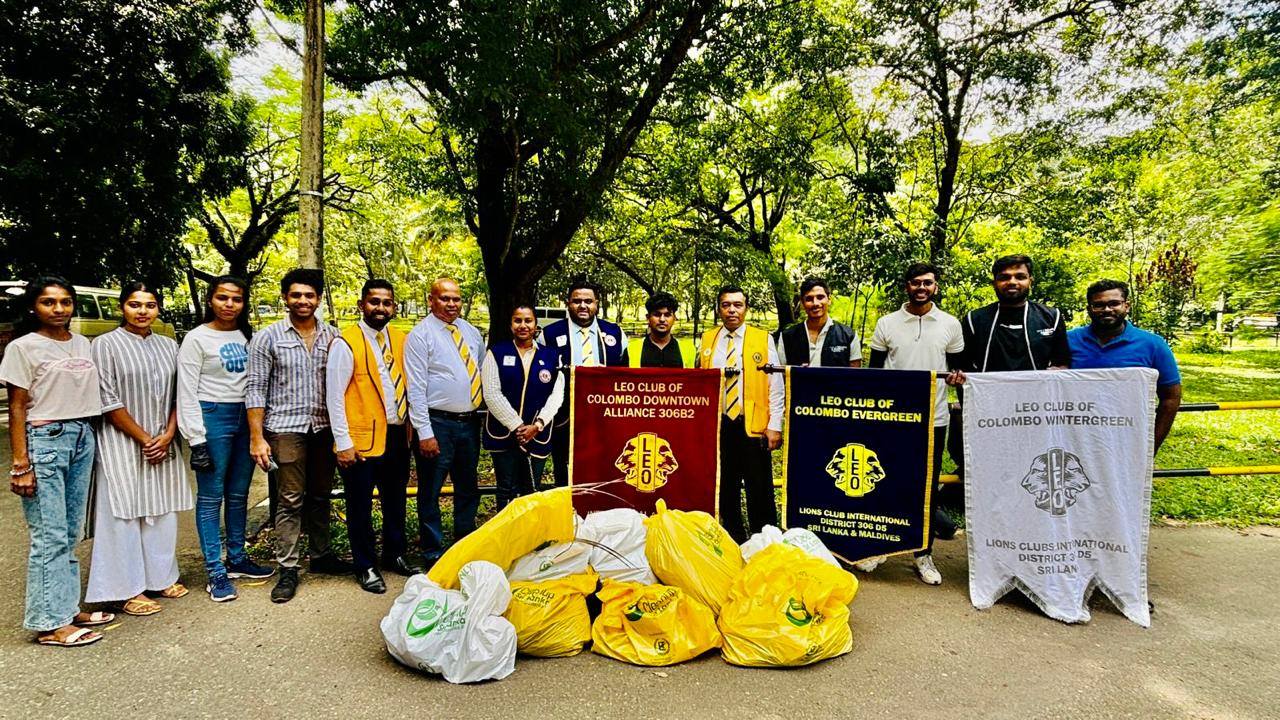
Significant global backing for Sri Lanka’s Lions movement is provided by the Lions Clubs International Foundation (LCIF), which over the years has provided the country with grants totaling more than US$17 million in support of Lions service activities. Large-scale, high-impact initiatives like setting up dialysis centres, eye hospitals, housing and national nutrition programme – Protect Child Nutrition currently feeding approximately 5000 underprivileged school children a daily meal have been made possible by these funds. Lions have also proven that it can respond quickly and effectively in times of crisis. The organization’s vital role in national resilience and recovery was highlighted by the recent “Ditwah” disaster relief effort, which mobilised almost US$500,000 in funds, including a significant grant sum from LCIF 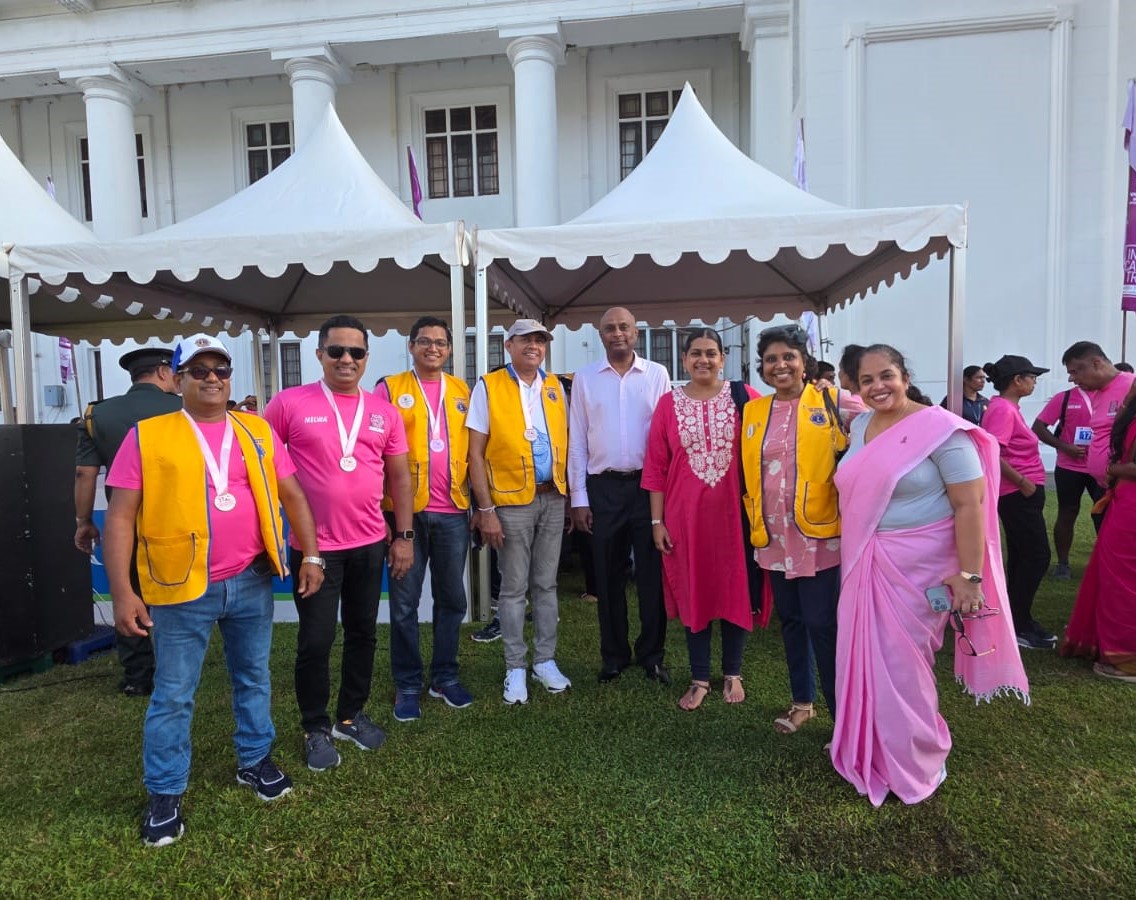

Lions offers a strong platform for personal and professional growth in addition to its tangible contributions. It provides individuals more than just a chance to serve; it gives a structured setting for meaningful networking, leadership development, and a strong sense of community. This human element has become essential to the organization’s relevance in an increasingly disjointed and disconnected world, especially for corporate professionals, entrepreneurs, and emerging leaders looking for both career advancement and purpose.
Additionally, the movement is emphasizing future leadership and diversity increasingly. The organization’s reputation is changing due to a rising focus on women’s leadership. Women hold a significant number of key leadership roles from club level right up to the national level. 
Supporting entrepreneurship is a lesser-known service activity of Lions of Sri Lanka, the change in the demographics of the membership has seen a rise of such programs across the country. A beacon for this are the initiatives of the Lanka Lions Foundation that supports and encourages entrepreneurship, especially among women-run home businesses.
The youth arm of Lions, Leo Clubs provides structure, connection and valuable leadership opportunity for the youth of Sri Lanka. In order to guarantee continuity, innovation, and long-term impact, the Leo Club keeps developing young leaders.
Lions International is redefining what organised service can accomplish as perceptions around volunteering continue to change. It offers a structured, scalable, and transformative model that goes beyond the idea of occasional charity. For many, it is now a dynamic network where impact, leadership, and connection come together rather than just a way to give back.